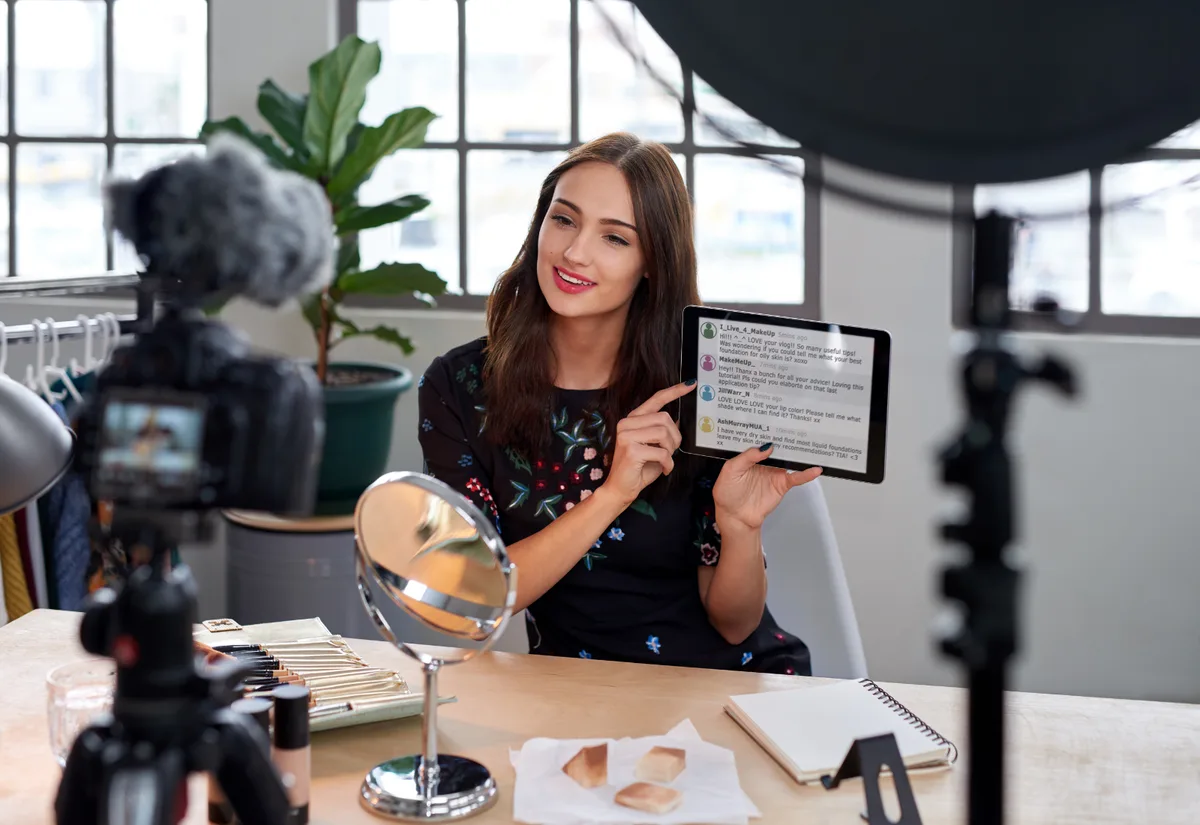
Creator content drives views, saves, and comments. But the path from watching to buying is often broken. A viewer sees a product they want, closes the app, and the sale disappears. Shoppable video and live shopping fix that by turning the content itself into the point of sale. This guide covers the formats, the platforms, and what actually converts, so you can decide whether shoppable video belongs in your next campaign. Creator.co has run 10,000+ brand campaigns across these formats, and the data is clear: the winning variable is the creator, not the platform.
What is shoppable video (and how it differs from live shopping)
Shoppable video is on-demand video with tappable product tags that let a viewer buy without leaving the feed. That definition matters because brands often conflate three related terms, and each one works differently.

| Term | Format | Timing |
|---|---|---|
| Shoppable video | Tagged, on-demand clips | Watch anytime |
| Live shopping | Real-time hosted selling event | Watch now or miss it |
| Live commerce | The broader category containing both | Ongoing channel strategy |
All three sit inside what social commerce is and how it works, not inside paid advertising. The content is the storefront. A viewer does not click away to a product page. They tap a tag, see the product, and complete the purchase inside the same surface.
This shift is not small. According to McKinsey, the global social commerce market is expected to grow past $2 trillion, driven by TikTok Shop, Instagram Shopping, and live shopping. Brands that treat shoppable content as an experiment are already behind.
Why shoppable video converts when a standard ad does not
The mechanism is straightforward: fewer taps between want and buy. A standard display ad sends a viewer to a landing page. A shoppable clip closes the gap at the moment of intent, inside content the viewer chose to watch.
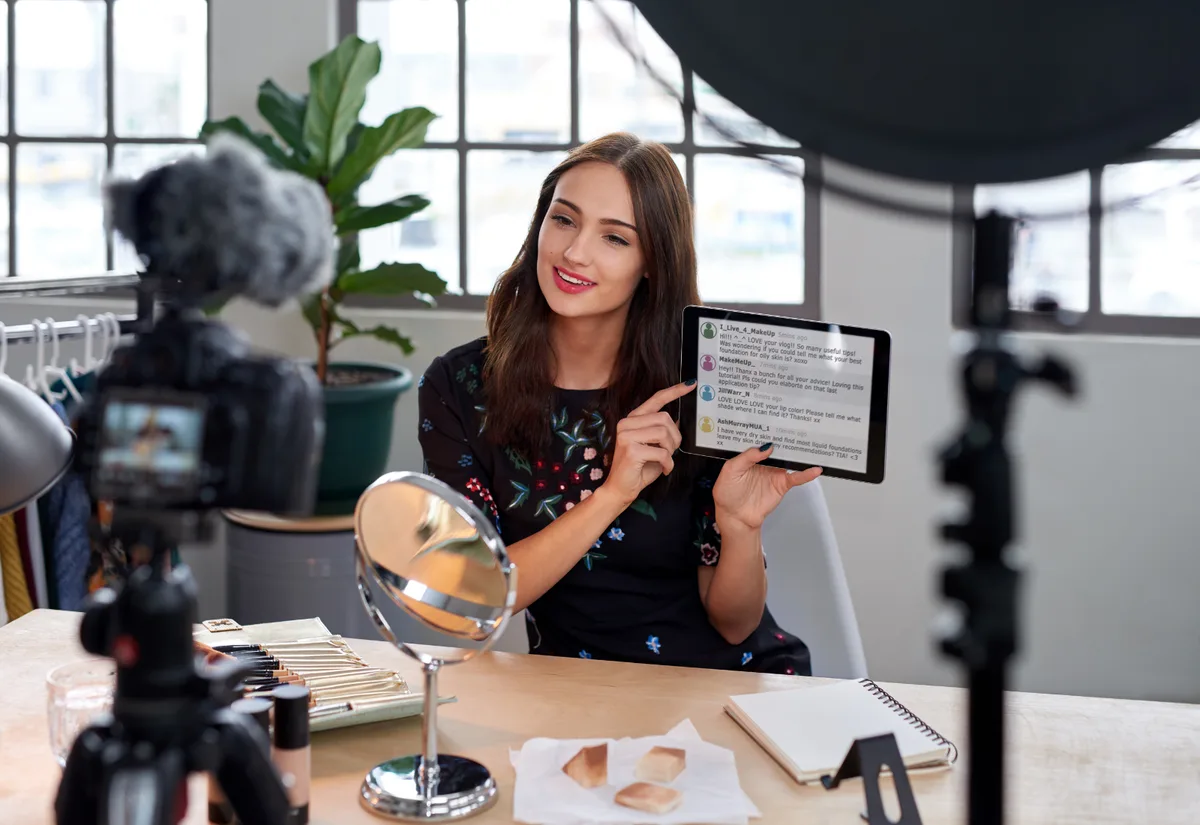
Creator trust carries the recommendation further than a brand ad can. McKinsey research shows that 70% of millennials and Gen Zers rely on social media, celebrities, and blogs for purchase inspiration. They already shop this way. Shoppable video meets them where the decision is already forming.
Interruptive paid media asks viewers to pause what they are doing and pay attention to a brand. A shoppable creator clip is the content. The viewer came for it, which means they are already warm.
The proof is in campaign results. COSMO ran a boosted creator content campaign with Creator.co for Back to School and hit 8x ROAS. That result came from pairing the right creators with shoppable content, not from ad spend alone.
Shoppable video formats brands can run
Not every format fits every goal. Here is how the main shoppable video formats map to common brand objectives.
| Format | What it is | When to use it |
|---|---|---|
| Tagged short-form clips | 15–60 second Reels or TikToks with product links | Always-on awareness and conversion |
| Shoppable product demos | Creator shows product in use, tags it directly | New product launches |
| Creator hauls and unboxings | Creator opens and reacts to a product assortment | Seasonal campaigns, gifting |
| Tutorial or how-to video | Step-by-step content with tagged products at each step | Evergreen, high-intent buyers |
| Live shopping events | Real-time hosted session with products sold in stream | High-stakes launches, limited drops |
Every format works because a real creator is holding the product. A studio ad can show the product. A creator can show what it is like to actually own it.
Eminence Organic Skincare built a scalable library of high-performing creator video by briefing creators on skincare routine content. That content ran across paid, organic, and website placements. One shoot, many placements across the full funnel.
Understanding how brands use creator content in paid media helps you see how shoppable formats extend beyond organic reach and into your media plan.
Where shoppable video and live shopping happen
Platform choice is a brand decision, not a setup tutorial. Each surface has different audiences, different commerce infrastructure, and different trade-offs.
| Platform | Strengths | Watch-outs |
|---|---|---|
| TikTok Shop | Massive reach, native checkout, strong discovery algorithm | Less brand control, younger-skewing audience |
| Instagram Shopping | High trust, strong visual brand equity | More friction to checkout than TikTok |
| YouTube Shopping | Long-form demos, high purchase intent, broad age range | Lower real-time urgency for live events |
| Live shopping (all platforms) | Highest conversion punch, urgency, community feel | High production effort, creator skill matters most |
The hard part is not setting up a storefront. It is sourcing creators who can actually sell on camera. Live shopping in particular requires creators with real hosting skill. A creator who performs well in short-form clips does not automatically perform well in a 30-minute live event.
McKinsey's $2 trillion social commerce projection reflects the combined momentum of all these platforms. No single platform owns social commerce. Your brand's audience decides where you show up.
What makes a shoppable video campaign actually sell
Format and platform are inputs. These four variables decide outcomes.
Creator fit. The same product tagged by the wrong creator underperforms. Audience alignment, content style, and category credibility all matter before a single frame is shot.
Product-demo clarity. Viewers need to understand what the product does in the first few seconds. Shoppable content fails when the product gets buried in entertainment.
A clear on-screen call to action. "Tap the link" or "Shop the tag below" still has to be said out loud. Viewers need the prompt.
Volume. Enough content to find winners. Most shoppable campaigns require testing multiple creators and formats before the top performers emerge.
Measurement matters as much as execution. Track sell-through and revenue, not views. Tie content directly to DTC or retail outcomes. Think! Bars and Scentuals ran creator campaigns through Creator.co and saw a +55% sell-through increase at Walmart and +71% at Real Canadian Superstore. Creator content moved real retail units, not just impressions.
For brands building toward a full-funnel strategy, how to run a brand awareness campaign with creators covers the upper-funnel side of the same creator investment.

How Creator.co helps brands run shoppable video at scale
The bottleneck in shoppable video is not the platform. It is finding, briefing, and managing creators who convert on camera, then measuring what sold.
Creator.co gives brands access to 270,000 registered influencers and a 400M creator database, with 10,000+ brand campaigns worth of performance data behind the matching algorithm. That data means the shortlist you get is built on what has actually converted in your category, not just follower counts.
The platform covers discovery, campaign management, and performance reporting across shoppable video, UGC, and live shopping formats. Brands do not need a separate tool for each format. Creator.co has also been recognized as a G2 Leader in Spring 2026, a third-party signal that the platform performs at the level brands need.
See if our AI finds the right creators for your brand
London searches 175K+ vetted creators and builds your shortlist in under 3 minutes. No account, no credit card.
The creator is the deciding variable
Shoppable video and live shopping turn creator content into the storefront. The formats are proven. The platforms are ready. The brands already running these campaigns are pulling ahead on sell-through and ROAS.
What separates a campaign that converts from one that collects views is the creator. Platform tags do not sell products. Creators who understand their audience, know how to show a product, and can prompt a purchase decision, those creators sell products.
Your next decision is not which platform to use. It is which creators can do the job.
Ready to run your first creator campaign?
Search 270K+ creators, manage briefs, and handle payments — all in one platform. Used by Nike, Fender, and 10,000+ brands.