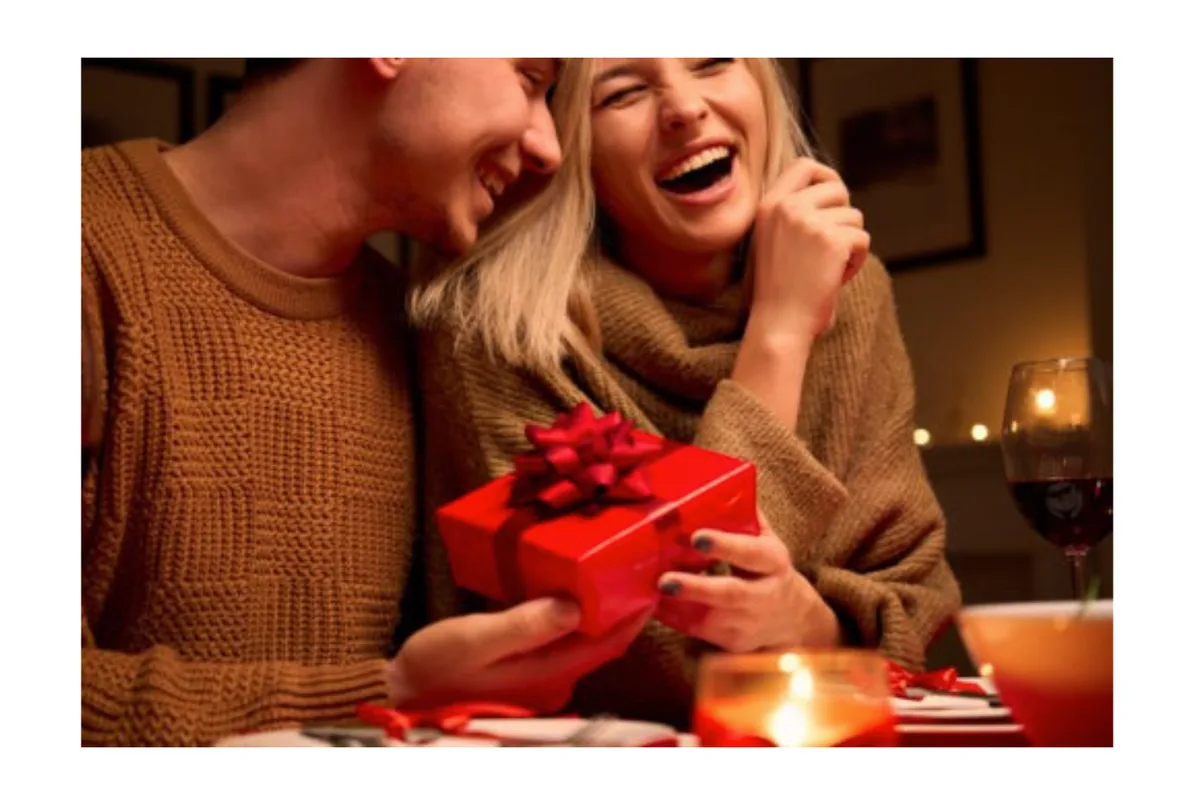
Brand awareness is the foundation of every purchase decision a consumer makes, but most awareness campaigns burn budget on channels that are expensive, hard to attribute, and increasingly ignored. Creator content changes that equation. This guide breaks down how to plan, run, and measure a brand awareness campaign using creators, with real examples from brands that have done it at scale.
---
What is a brand awareness campaign?
A brand awareness campaign is a coordinated marketing effort designed to increase how many people recognize, recall, and hold positive associations with your brand. The goal is not an immediate sale. The goal is to become the brand a consumer thinks of when a purchase moment arrives.
That distinction matters. Purchase intent research consistently shows consumers buy from brands they already know and trust. Awareness is what earns that position in the first place. Understanding what is brand awareness in a performance-marketing context helps teams allocate budget to the top of the funnel with confidence rather than treating it as wasted spend.
Traditional approaches, TV, out-of-home, and display advertising, generate reach but offer limited targeting and weak attribution. Creator-driven brand awareness works differently. Creators publish content to audiences that actively choose to follow them, which means your brand appears in a trusted, relevant context rather than interrupting an unrelated experience.
The numbers support this. According to Forbes, 80% of consumers have purchased or seriously considered purchasing after seeing an influencer post. Awareness and consideration happen together when a real person endorses your brand to their community.
---
Why creators outperform traditional channels for brand awareness
The influencer marketing industry is on track to reach $480B by 2027, according to Goldman Sachs Research. That growth reflects a broader shift in where brands find their most cost-efficient reach, and why.
Authenticity builds faster recall. Creator recommendations feel personal, not promotional. That credibility accelerates the brand familiarity that traditional advertising builds slowly and expensively.
Niche audiences are already engaged. Creators maintain communities built around specific interests, demographics, and lifestyles. When your brand enters that community through a creator, you reach a qualified audience, not a broad demographic proxy.
Algorithms reward creator content. High engagement rates push creator content to wider audiences organically. A single well-matched creator post can reach multiples of a creator's follower count without additional media spend.
Content has a long shelf life. A network of creators generates a library of authentic content you can repurpose across paid, owned, and organic channels. This is a core advantage of what is UGC as an asset class, the content keeps working after the campaign ends.
Results are measurable. Reach, impressions, engagement rates, branded search lift, and video views give brand teams a clear picture of campaign performance. Creator brand awareness is not a faith-based investment.
---
Types of brand awareness campaigns with creators
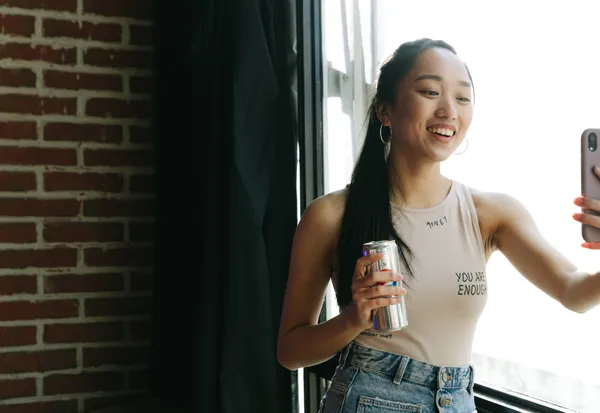
Creating authentic brand partnership content: influencers leverage everyday moments to showcase products naturally to their engaged audiences.
Not every brand awareness campaign looks the same. The format you choose should match your objective, your timeline, and the type of creator content that resonates with your target audience.
Product launch campaigns use creators to introduce something new through demonstrations, unboxings, and first-look content. Light Bio, a biotech startup launching bioluminescent houseplants, used creator content to generate culturally relevant visibility for a category that had no consumer precedent. Creators gave consumers a way to understand and want a product that had never existed before.
Category and market entry campaigns borrow credibility from creators who already own authority in a vertical your brand is entering. If your audience does not yet associate you with a new product line or geography, a creator who already has that trust can bridge the gap faster than any media buy.
Event and experiential activations multiply the physical reach of a live event. Creator.co placed creators at a live Oakley event at Whistler Village, generating authentic on-site content that extended the experience beyond the venue. That campaign contributed to a +25% sales lift during the surrounding period, a direct link between creator-led awareness and retail demand.
Always-on programs maintain brand visibility between launches. Consistent creator posting keeps your brand in front of its audience rather than spiking awareness at campaign moments and going dark in between.
Seasonal awareness campaigns target peak shopping periods when competition for attention is highest. NEFT Vodka ran a holiday creator campaign and achieved a 50% lower cost per click than traditional advertising by activating creators whose audiences were already in a purchasing mindset.
These brand awareness campaign ideas share a common structure: match the creator to the moment, give them clear direction, and let them tell the story in their own voice.
See if our AI finds the right creators for your brand
London searches 175K+ vetted creators and builds your shortlist in under 3 minutes. No account, no credit card.
---
How to plan a brand awareness campaign with creators
A strong brand awareness strategy follows a clear sequence. Skipping steps here is where campaigns fall apart.
Step 1: Define your awareness objective. Before you brief a single creator, decide what success looks like. Is it brand recall in a new demographic? Geographic reach in a specific market? Category association? Audience growth? Different objectives drive different creator types and content formats.
Step 2: Select the right creators. This is where most brands make their first mistake. Follower count is a weak proxy for the right audience. Prioritize audience fit, engagement quality, and content alignment over raw reach. A mix of macro and mid-tier creators builds broad visibility. Nano and micro creators add niche credibility and higher engagement rates in specific communities.
Step 3: Build your campaign strategy. Choose platforms where your target consumer is actively engaged, not just the platforms with the largest total user base. Write a creative brief that gives creators your messaging, brand guidelines, and non-negotiables, then step back and let them produce content in their own voice. Over-scripting kills authenticity and, with it, the awareness benefit.
Step 4: Launch at scale. Activating multiple creators simultaneously creates message frequency, the repetition that builds genuine brand recognition. A single creator post generates a moment. A coordinated group of creators generates a movement. This is the core mechanic of an influencer brand awareness campaign done at scale.
Step 5: Measure, amplify, and optimize. Track performance from day one. When a creator's content outperforms expectations, boost it through paid media to extend its reach well beyond the organic audience. Top-performing creator content often outperforms traditional creative in paid channels at a fraction of the production cost.
Building a complete influencer marketing strategy around these steps gives brand teams a repeatable framework rather than a one-off campaign each cycle.
Ready to run your first creator campaign?
Search 270K+ creators, manage briefs, and handle payments — all in one platform. Used by Nike, Fender, and 10,000+ brands.
---
Brand awareness campaign metrics: how to know if it worked
Measuring brand awareness ROI requires a different set of KPIs than a conversion campaign. Judging an awareness campaign by click-through rate or direct sales is like judging a marathon runner by their sprint time.
Reach and impressions tell you how many unique people saw your campaign and how often. Frequency matters because brand recognition is built through repeated exposure, not a single touchpoint.
Engagement rate shows how well your content resonated. Saves and shares are particularly valuable; they signal that consumers found the content worth keeping or passing along, which amplifies organic reach further.
Video views and watch time indicate whether consumers are stopping to absorb your message or scrolling past. High completion rates correlate with stronger brand recall.
Branded search lift is one of the clearest signals that awareness is translating to intent. Monitor search volume for your brand name before, during, and after the campaign using Google Search Console. A meaningful increase tells you consumers heard the message and went looking for more.
Content volume and creator output matter because more content means more distribution surface area. Groupon set a target of 600 pieces of creator content through Creator.co and received 1,192, nearly double the target, giving the brand a content library that continued generating impressions long after the campaign closed.
The most direct brand awareness example in the Creator.co portfolio is Sun Chlorella. After placing health-focused creators to build shelf awareness for the brand, Sun Chlorella recorded a +900% increase in in-store sales. That result demonstrates the direct line between creator-led awareness and retail demand, even when the campaign goal was visibility, not conversion.

---
What makes brand awareness campaigns fail (and how to avoid it)
Most campaigns that underperform make predictable mistakes. Knowing them in advance is most of the solution.
Prioritizing reach over relevance. A creator with 2 million followers in the wrong demographic delivers less value than a creator with 80,000 followers whose audience matches your target customer exactly. Brand awareness vs brand recognition is partly a volume game, but volume with the wrong audience builds nothing.
Treating awareness as a one-time push. Brand recognition is built through consistent exposure over time. A single campaign burst creates a spike that fades. Ongoing creator partnerships sustain visibility between major launches.
Choosing creators for follower count. The influencer brand awareness campaign metric that matters most at the creator selection stage is audience fit, not reach. A creator who genuinely uses your product category will produce better content and better results than a celebrity who doesn't.
Over-controlling the creative. Scripted content reads like an ad. Consumers know the difference, and so do platform algorithms. Set your messaging clearly, enforce brand guidelines, and then trust creators to tell the story in their own voice. That trust is what makes the content work.
Measuring the wrong KPIs. Clicks and conversions are the wrong scorecard for an awareness campaign. Reach, engagement, branded search volume, and brand lift surveys give you an accurate picture of whether recognition is growing.
The think! Bars campaign illustrates what the right approach produces. By placing local creators in the markets where their products were sold, think! Bars generated 1.5 million impressions, reached 600,000 people, and sold out at Walmart stores across Canada. Relevant creators, in the right markets, speaking to the right audience, turned shelf awareness directly into purchase behavior.
---
Running brand awareness campaigns with Creator.co
Creator.co is built for brands that need to run creator campaigns at scale without burning their team's time on manual outreach and tracking.
The platform gives brand teams access to 270,000 registered creators and a database of 400 million creator profiles. Filters by niche, location, platform, engagement rate, and audience demographic mean you can build a qualified creator shortlist in minutes rather than weeks. That's how to increase brand awareness efficiently: stop spending weeks sourcing and start spending that time on strategy.
Campaign management, from briefs and outreach through deliverable tracking, payments, and reporting, runs inside a single platform. Teams get full visibility on what has been posted, what is performing, and where to put paid budget to amplify top-performing content.
Creator.co holds G2 Leader status (Spring 2026) and has supported more than 10,000 brand campaigns. Clients include Nike, Mercedes-Benz, Fender, Oakley, and Pokémon. The case studies in this article, Sun Chlorella, Oakley, NEFT Vodka, Groupon, think! Bars, represent the range of what creator-led awareness delivers across CPG, health, outdoor, sports, and lifestyle categories.
If brand awareness is your next campaign goal, start with the right creators.
Ready to run your first creator campaign?
Search 270K+ creators, manage briefs, and handle payments — all in one platform. Used by Nike, Fender, and 10,000+ brands.